[ A renovated interior ]Fixer Vision takes a dated Westside home and shows what it could become, then puts real numbers behind it: four modern design directions, a renovation budget for each, and how the home plus a rental ADU performs for three different goals. Here is a full example on a real home in Palms, with the address kept private.
A two-bedroom from 1940 in Palms, a few blocks of comparable homes that have already sold renovated between $1.37M and $1.68M. Dated finishes and a closed-off plan, on a lot large enough to add a detached rental unit. This is the most common kind of opportunity on the Westside: the building is modest, the land is the asset, and the upside is in what you do next.
Address withheld. Figures drawn from public valuation and recent neighborhood sales, used here as a concept estimate.
One floor plan can become four very different homes. Each direction carries its own material palette, and each palette carries its own cost. The renovation figure below is a per-square-foot midpoint for a full renovation in this style.
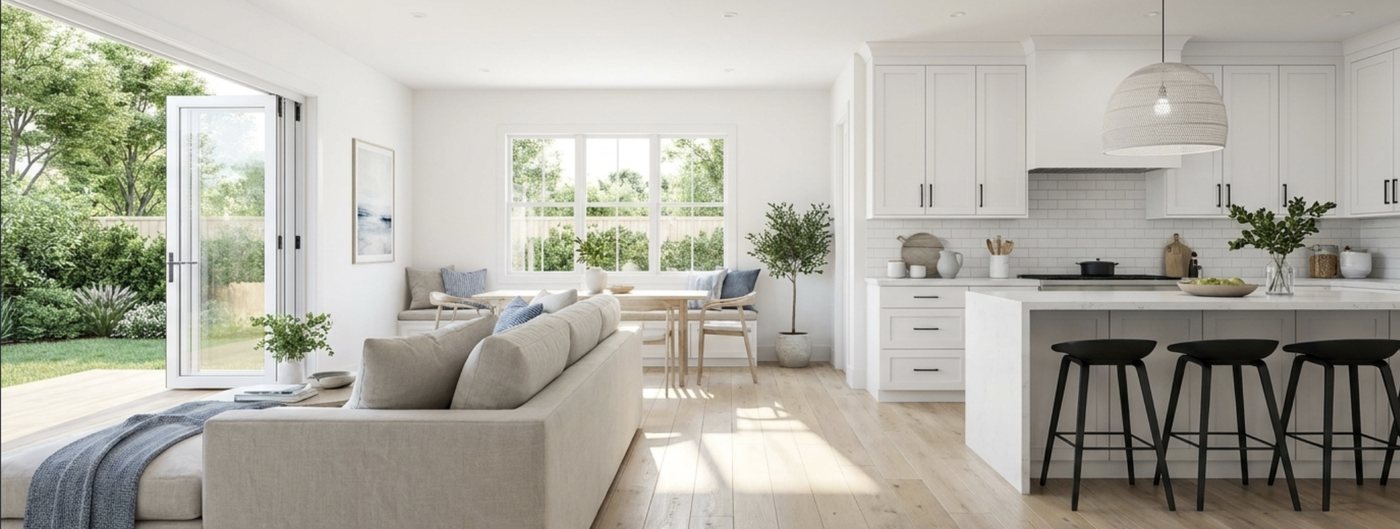
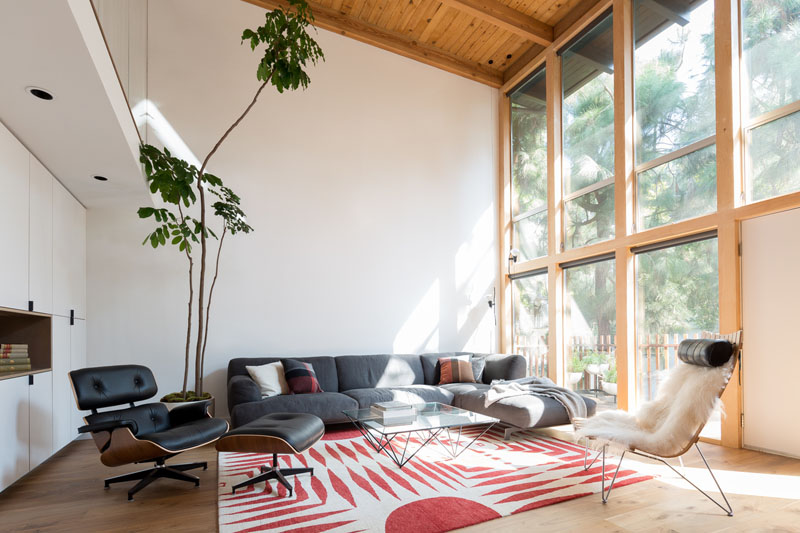
California Coastal ContemporaryBright and open. White walls, pale oak floors, large glazing and folding doors to the garden, soft blue and sand accents. Indoor and outdoor living as one. The glazing and doors are the cost driver.
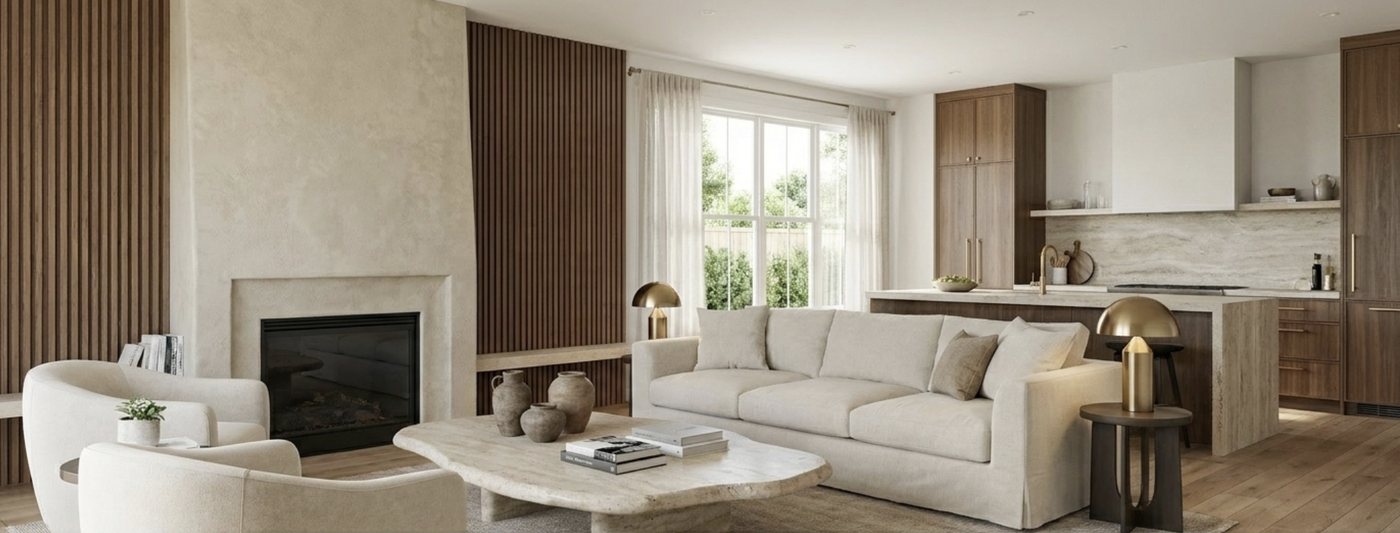
Organic ModernWarm and tactile. Limewash plaster, walnut millwork, travertine and natural stone, rounded forms and bouclé. The most material and labor intensive of the four, and the most custom.
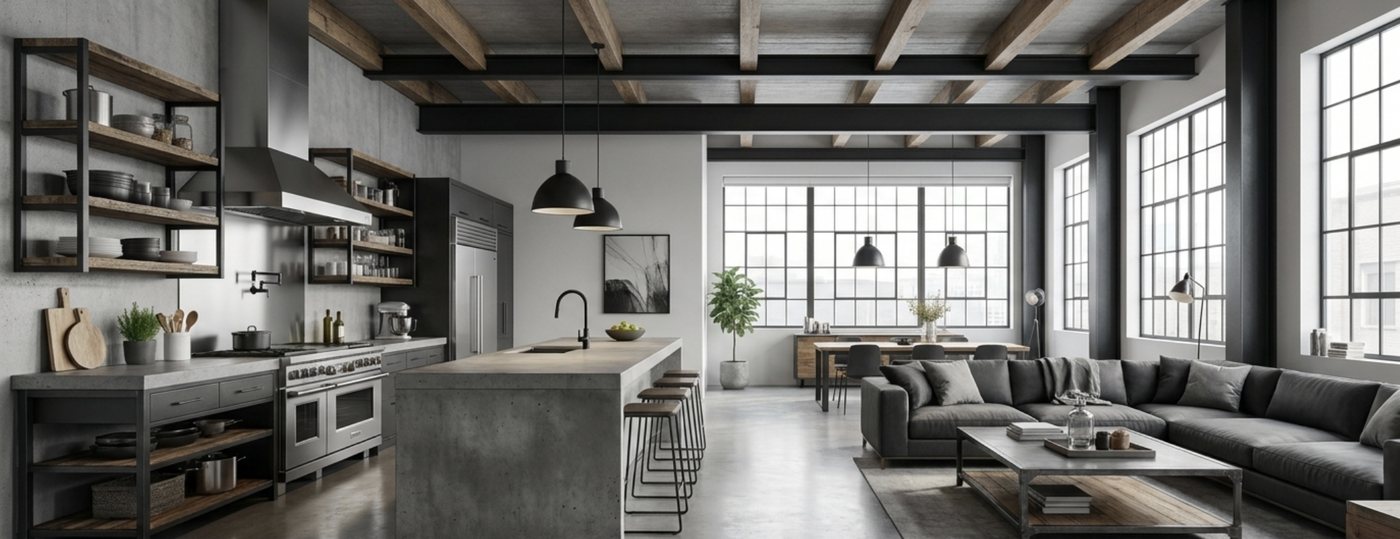
Industrial MinimalistStructural and spare. Exposed beams, polished concrete, black steel windows and rail, open shelving. Honest materials, but the steel glazing and finished concrete push it above a basic build.
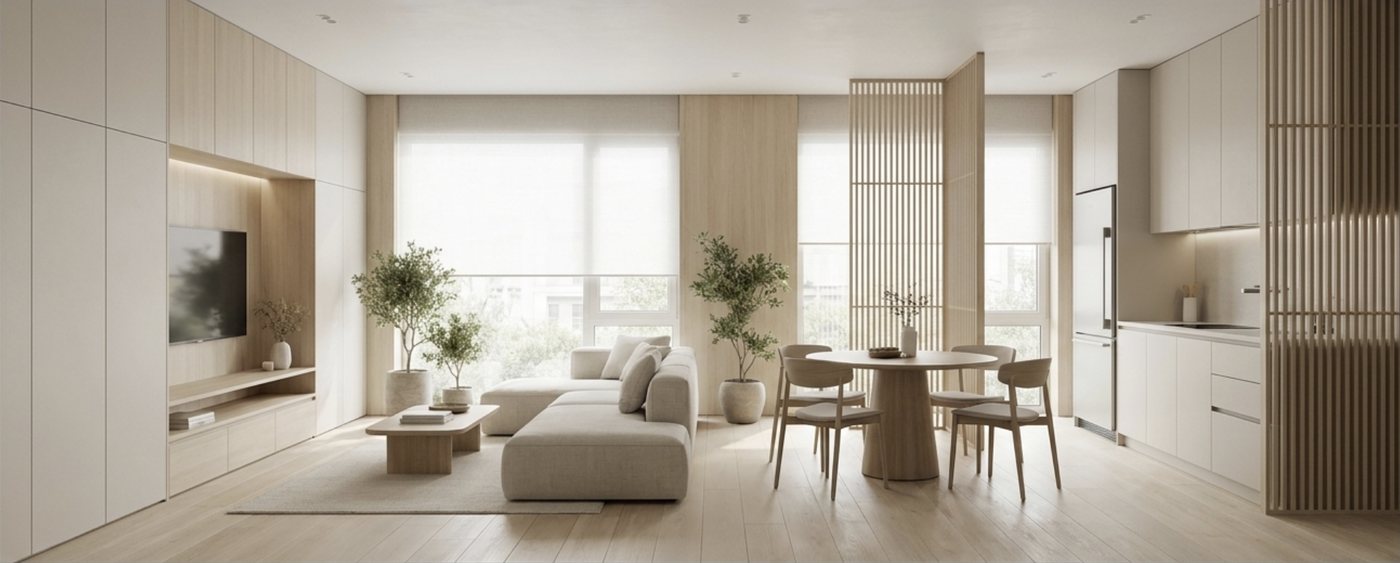
JapandiQuiet and precise. Pale wood, integrated and hidden hardware, slatted screens, flush detailing and tight tolerances. It looks simple, which is exactly why it is expensive to build well.
A renovation budget is not one number. It moves along two axes: the look you want, and what you plan to do with the home. Fixer Vision prices both, so the same house can be costed for any goal.
A clean coastal refresh and a plaster-and-walnut organic build are not the same money. The four directions run about 5 to 20 percent apart in cost, driven by materials and the amount of custom work.
What you intend to do with the home decides how far the work goes. A long-term home is finished without compromise. A flip is finished to sell. A rental is finished to last and to earn, with the dollars disciplined.
| Renovation, per sq ft | Rental investment finished to last |
Fix and flip finished to sell |
Owner-occupant finished to keep |
|---|---|---|---|
| California Coastal Contemporary | $190~$208,000 all-in | $240~$263,000 all-in | $380~$416,000 all-in |
| Organic Modern | $215~$235,000 all-in | $275~$301,000 all-in | $430~$471,000 all-in |
| Industrial Minimalist | $200~$219,000 all-in | $255~$279,000 all-in | $395~$433,000 all-in |
| Japandi | $205~$224,000 all-in | $265~$290,000 all-in | $415~$454,000 all-in |
Totals apply each rate to the home's 1,095 square feet. Treat every figure as a ballpark with a band of roughly 15 percent either way, before design and bids. Westside labor and a 1940 build that needs new systems sit at the higher end.
The 6,360 square foot lot has room for a detached one-bedroom of about 600 square feet. Built well, it costs around $225,000 including utility connections and site work, and rents in this part of the Westside for roughly $3,000 a month. That rent is what changes the math on every outcome that follows.
It does not make the home cheap. It makes the home carryable, and it turns the property into something that earns.
Below, the home is taken in the California Coastal Contemporary direction and run three ways, each at its own finish level, each with the ADU. The verdicts are honest, because honesty is the whole point of running the numbers first.
The ADU covers about 22 percent of the payment, roughly the property tax, insurance and upkeep combined. It does not make a $2M home cheap, but it makes living in a home you built to your own plan genuinely carryable. This is the outcome that works best here.
It does not pencil. The entry price is too close to the renovated value, so the spread is eaten by the work, the carry and the sale. A flip here would need a resale near $2.17M just to break even. On the Westside, the land rarely leaves room to flip.
A 2.9 percent cap rate is a Westside reality: you are buying future appreciation, not today's cash flow. Financed at current rates it runs cash-negative every month. It suits a long-horizon owner who can fund the carry, not an income investor.
Mortgage at 6.75% owner / 7.0% investor, 20% / 25% down, 30-year term. Property tax 1.25%, vacancy 5%, management 6%. Concept estimate, not an appraisal, quote, or financial advice.
Change the home, the price, the ADU and the style. The three outcomes update live, using the same Los Angeles assumptions. A fast read on whether a given listing is worth a closer look.
A 1,095 sq ft home at $1.4M with a 600 sq ft ADU, finished in California Coastal Contemporary.
Same assumptions as above. A screening tool, not a substitute for design drawings, contractor bids, or a lender. Concept estimate only.
Three conditions shape every number on this page. First, entry prices are high relative to renovated value: in Palms and the neighborhoods around it, the land carries most of the price, so the gap a flipper lives on has mostly closed. Second, borrowing costs sit near 7 percent, which turns thin margins negative and makes leveraged rentals cash-negative on day one. Third, rents are strong and ADU demand is real, with a detached one-bedroom on the Westside renting for $2,800 to $4,200 a month.
Put together, they point one way. A fixer plus an ADU here is not a quick flip and not a cash-flow rental. It is a way for a long-term owner to build a home to their own plan and have a tenant help carry it, or for a patient investor to buy into appreciation with the ADU softening the hold. Fixer Vision exists to show you which of those you are actually looking at, before you write an offer.
Send it over. Susanna will run the design and the numbers, and tell you honestly whether the project is worth it.